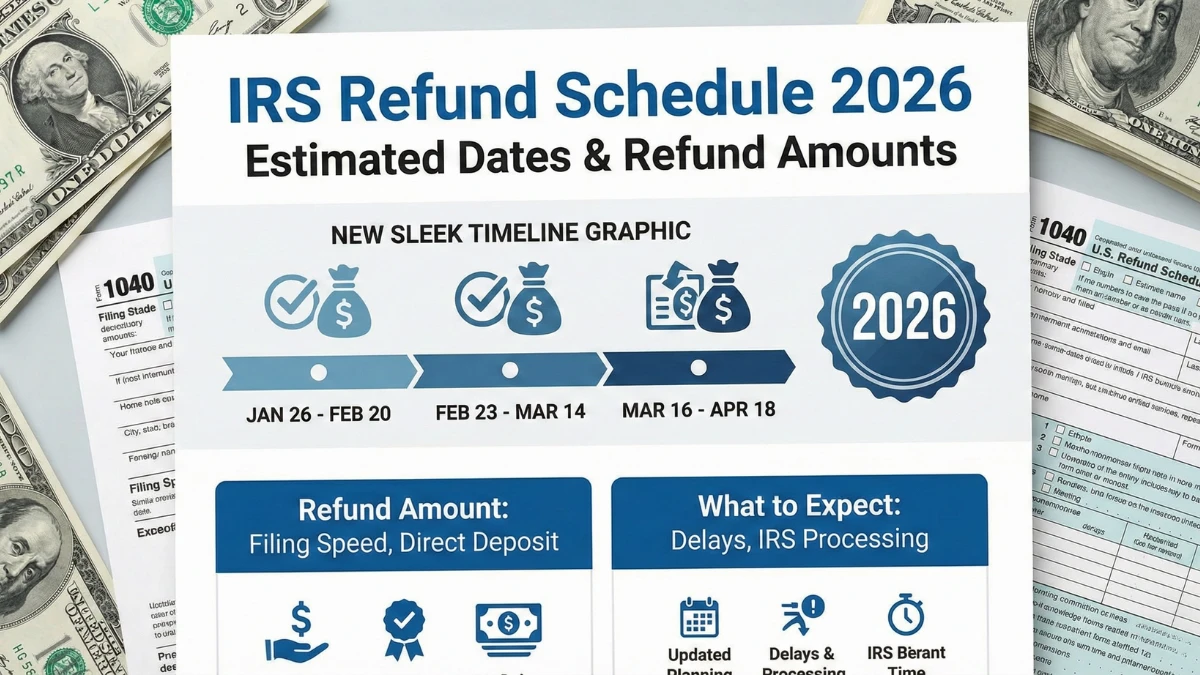
Occasional delays in federal benefit payments can cause concern among recipients, but in most cases these delays are temporary and procedural, not a loss of benefits. Payments administered by agencies such as the Social Security Administration, Internal Revenue Service, and the U.S. Treasury follow structured release schedules that can be affected by verification checks, banking processes, or calendar factors. This article explains the legitimate reasons federal benefit payments may be delayed and what recipients should realistically expect.
Are Federal Benefit Payment Delays a Policy Change
No. Temporary payment delays do not indicate a change in eligibility, benefit amount, or government policy. Federal agencies continue to operate under existing laws and payment schedules. Any real policy change would be announced publicly through official notices.
How Federal Benefit Payments Are Processed
Once a benefit payment is approved, it is released by the federal agency and routed through the U.S. Treasury to the recipient’s bank or payment provider. The timing of when funds appear in an account depends partly on bank processing and settlement rules, which are outside the agency’s control.
Common Verified Reasons for Temporary Delays
| Reason | What Happens |
|---|---|
| Identity or eligibility review | Routine checks pause release |
| Bank processing timelines | Posting occurs later than release |
| Federal holidays or weekends | Deposits shift to next business day |
| Recent account changes | Verification required |
| System maintenance | Short-term processing backlog |
What a Delay Does Not Mean
A delayed payment does not mean benefits are canceled, reduced, or permanently stopped. Annual adjustments or routine reviews do not automatically interrupt payments unless officially communicated.
What Recipients Should Do
If a payment is late, recipients should wait two to three business days after the scheduled date, check their bank account details, and then contact the issuing agency if the delay continues.
KEY FACTS (ONE BULLET SECTION ONLY)
- Most delays are administrative or banking-related
- Agencies release payments on fixed schedules
- Banks control final posting times
- Holidays commonly affect deposit dates
- Official notices accompany real policy changes
Conclusion
Temporary delays in federal benefit payments are usually caused by processing checks, banking timelines, or calendar factors, not by changes in eligibility. Understanding how the system works helps recipients respond calmly and rely on official updates rather than assumptions.
Disclaimer
This article is for informational purposes only and does not constitute legal or financial advice. Federal benefit payment timing depends on official procedures, individual records, and banking policies.